Dried fruits are popular snacks due to their bioactive compounds and also many nutritional and functional properties. They usually provide a higher amount of total energy, nutrient density (carbohydrates, antioxidants, vitamins, and phenolic compounds) as well as fiber content, in comparison with fresh fruits as a consequence of their concentration. They all are added to foodstuffs such as cereals, bakery, confectionery products and also mixed with nuts.

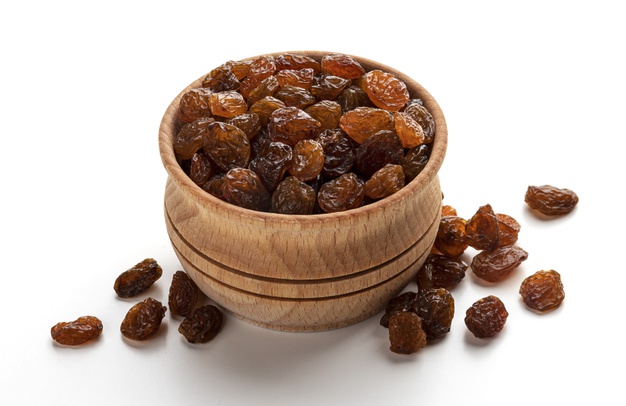
Raisins, as dried fruits, are the product from grapes. They are a good source of some essential nutrients including carbohydrates, especially fructose and glucose, and key elements, such as iron, potassium, calcium, and magnesium. There is some evidence that regular consumption of appropriate quantity of dried fruit including raisins may improve glycemic control, decrease cardiovascular risk factors, and demonstrate antioxidant activity.
Raisins are usually processed by the use of the heat of the sun, natural air drying (solar drying), or a mechanical process of oven drying of grapes. A leading producer of raisins is Iran.
Iran boasts of a variety of raisins:
– Sultana; a natural sweet seedless product which is light to dark brown in color, and coated with acid-free oils

– Golden; a natural seedless product with sweet and fruity taste. It’s golden amber in color since it’s made by sulfur fumigation process and shade dried, then, coated with acid-free oils

– Sun-dried; a natural seedless product which is dried in direct sunlight. By this method, all nutrients of the original fruit maintain. It’s dark brown in color and coated with acid-free oils.

– Kashmar; a long natural seedless product which is sweet and sour in taste. It’s golden and light green in color.

How we process and package raisins in our complex?

.
Source:
– The Mediterranean Diet (Second Edition), Chapter 21 by Skowron M., Goślińska B. (2020), “Raisins and the other dried fruits: Chemical profile and health benefits”
.